
Colombia. Northern Africa. Brazil. North America. Australia. Poland. Ukraine. These are only some of the countries and regions around the world that are building Global Green Road Corridors.
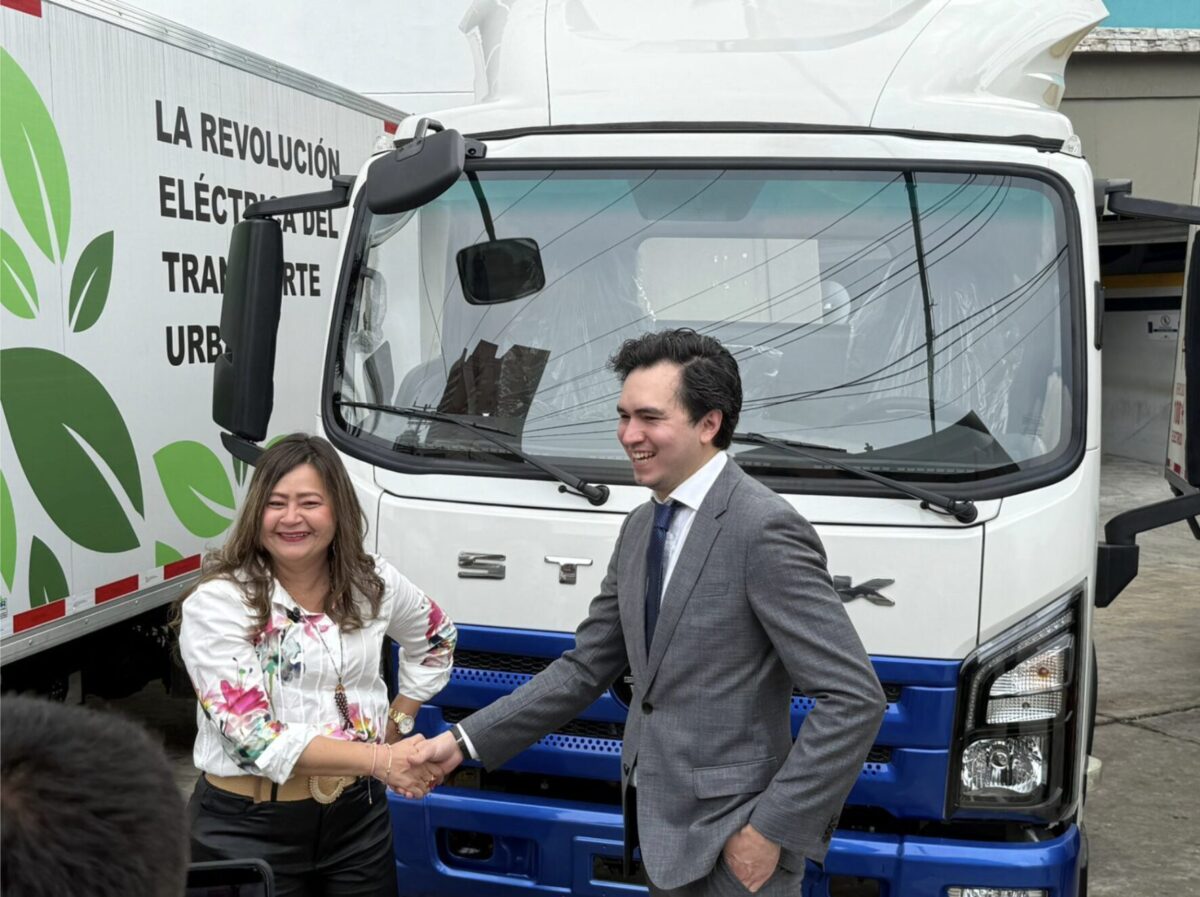
Photo: Colombia’s Minister of Transport, María Fernanda Rojas Mantilla, and Drive to Zero’s Deputy Director of Emerging Markets, Ricardo Garcia Coyne, pictured in front of two e-trucks that will travel along the Ruta-E corridor.
Collectively, these corridor systems are aligning vehicles, charging infrastructure, grid readiness, and policy in parallel— representing tens of thousands of miles of charging infrastructure along the world’s most economically significant routes that move people and goods from ports to hubs to cities each day.
Green road corridors are also supercharging the global transition to ZE-MHDVs by catalyzing billions of dollars of investment in charging infrastructure. At a time when zero-emission truck technology is rapidly advancing and no longer the primary constraint, these corridors focus on solving the real barrier: coordinated deployment at scale that reduces risk and unlocks faster decisions. These investments are sending a strong signal to public and private sector leaders that the future of transportation lies in zero-emission technology.
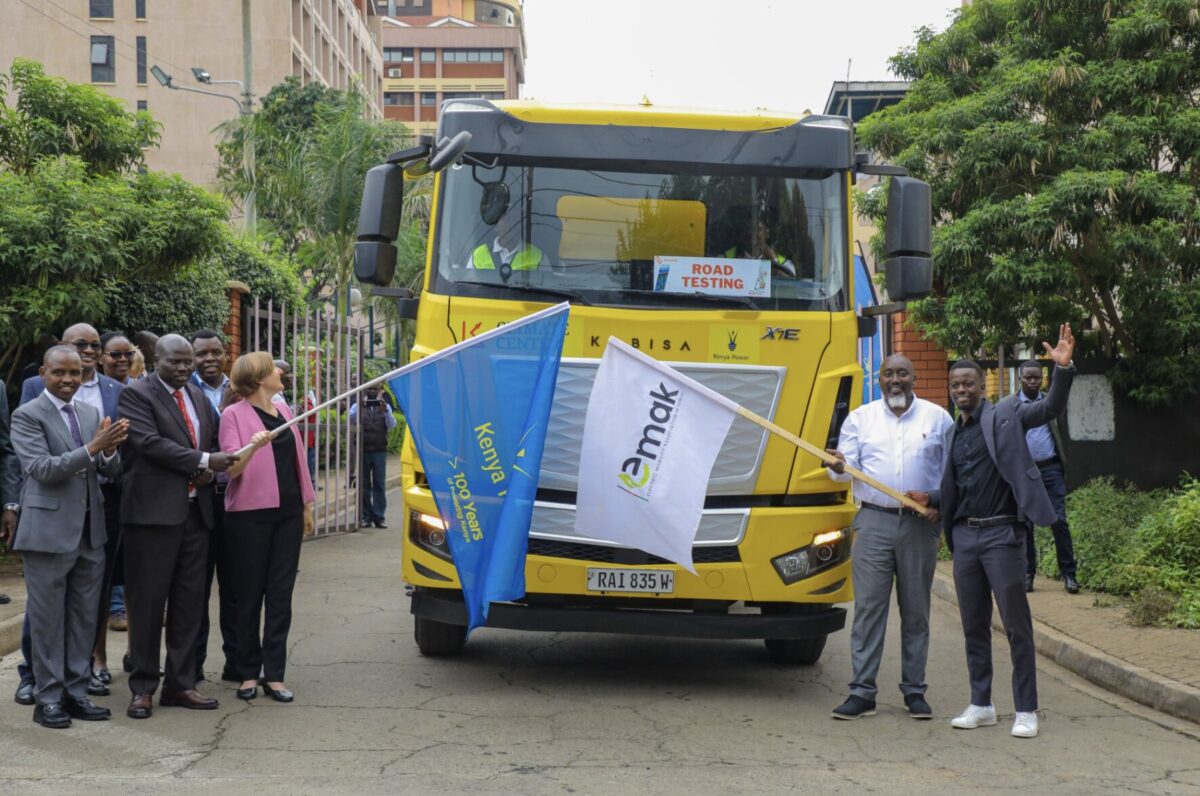
Photo: Kabisa begins a 600-mile journey along Africa’s Northern Corridor.
Perhaps less obvious, but just as important, they act as a catalyst for policy alignment and execution. By bringing together fleets, manufacturers, shippers, infrastructure providers, utilities, financiers, and governments, corridors create shared confidence—turning plans into bankable projects and translating deployment into policy momentum. When a country or region plans a Global Green Road Corridor, it builds-decision maker confidence to drive new policy or put existing policy into practice–delivering tangible benefits and accelerating the ZE-MHDV transition. We’ve seen evidence of this in:
- Brazil’s e-Dutra corridor, where coordinated planning among fleet operators, charging providers, vehicle manufacturers, and government agencies is helping to create a shared roadmap for zero-emission freight deployment and reducing uncertainty for both public and private investment.
- Northern Africa’s Green Freight Corridor efforts, where cross-border coordination and policy harmonization among governments and corridor stakeholders have helped align infrastructure planning and regulatory frameworks across multiple jurisdictions.
- The I-95 East Coast corridor in the United States, where corridor-based planning has supported deployment of zero-emission truck infrastructure while strengthening the case for policies that deliver both freight decarbonization and public-health benefits through reduced diesel pollution in nearby communities.
With the support of CALSTART’s Drive to Zero, Colombia, our country co-lead for the Global Memorandum of Understanding on Zero-Emission Medium- and Heavy-Duty Vehicles (Global MOU), just announced its first zero-emission freight corridor, Ruta-E: Energia Limpia en Movimento. This 1,195km corridor will stretch from Bogota to Cartagena, passing through Barranquilla and Santa Marta, aiming to have close to 1,000 electric trucks driving on it daily by 2035.
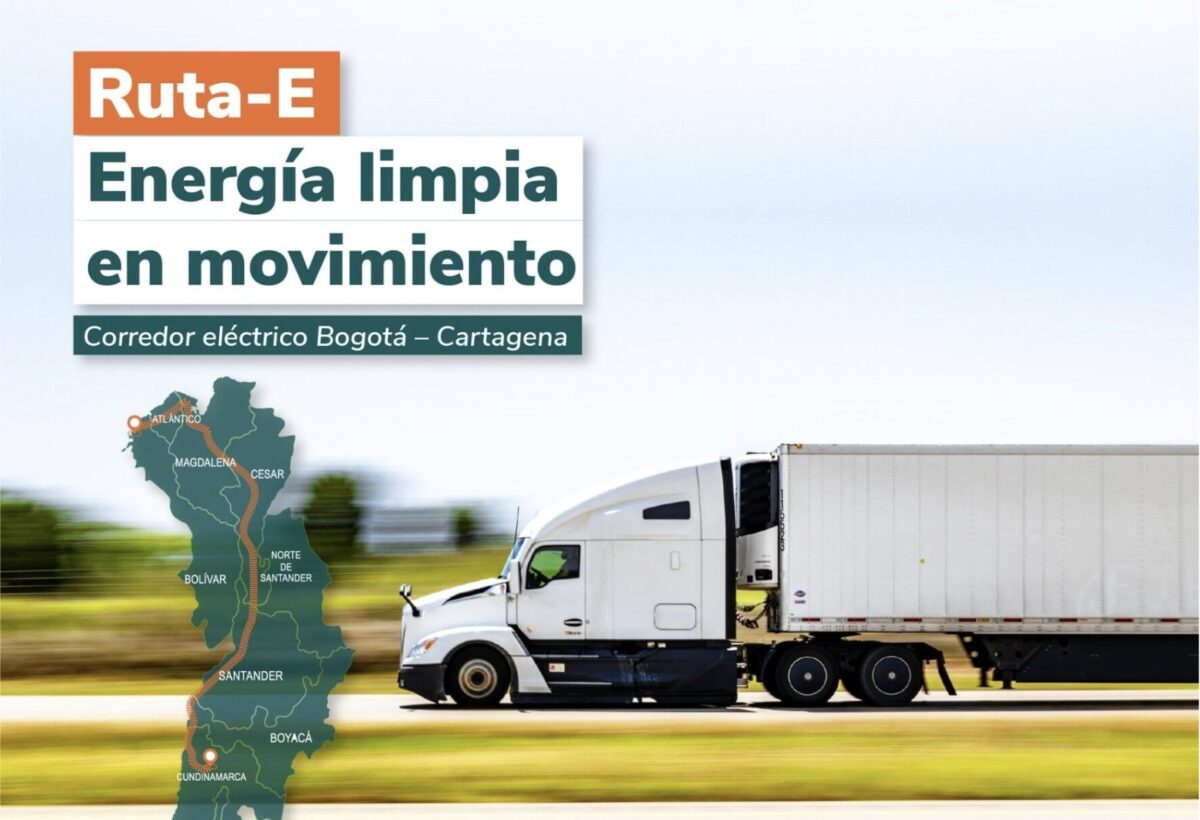
Photo: Earlier this month, Colombia launched Ruta-E, the country’s first green road corridor.
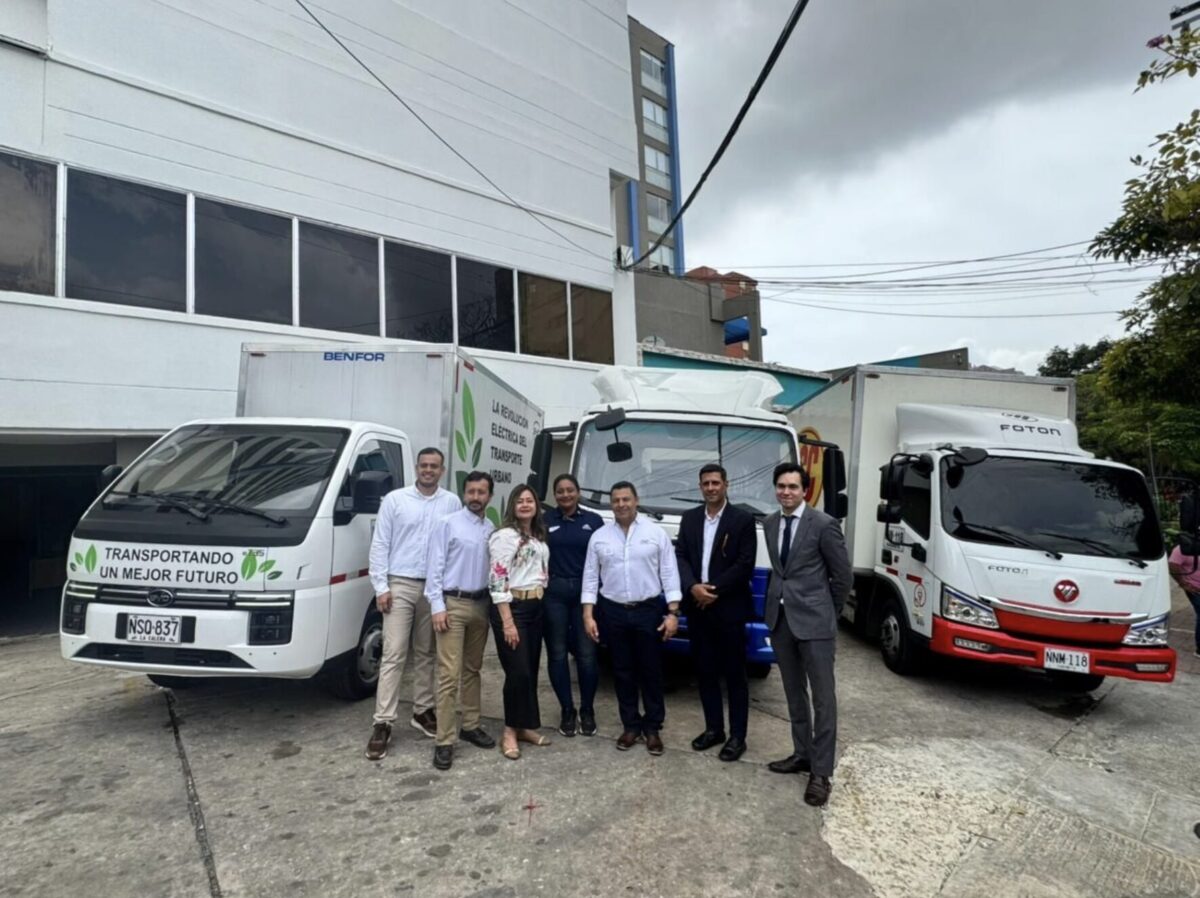
Photo: Colombian policymakers & innovators gather for the launch of Ruta-E.
Companies including TCC, DHL, BYD, Auteco Blue, Andrade Oil, Entrapetrol, and Voltrelli, along with business organizations such as LOGYCA and ACOMOVES, have already joined Ruta-E with the goal of advancing the electrification of freight operations, reducing investment risk in charging infrastructure, and expanding the availability of electric trucks in the country. The corridor will generate significant economic, operational, community, and public health benefits for Colombians and local industries.
Later this summer, California, British Columbia, Oregon, Washington, and Baja governments will officially launch an advanced technology zero-emission charging network for trucks along the I-5. The BC2BC Corridor will make it possible for electric trucks and buses to charge and drive along their routes all the way from British Colombia, Canada to Baja, California.
Colombia and North America are already seeing strong policy action from regulators and legislators to make these projects a reality. Colombia has generous tax exemptions for electric trucks, including 0% import tax, 0% VAT, and the recently announced Decree 0595 of 2026, which will encourage local manufacturing through additional fiscal incentives for component imports. Similarly, in North America, California and Washington, have set up leading incentive programs like California’s HVIP and Washington’s WAZIP.
GGRCs aren’t just about infrastructure, they’re about creating the market transformation necessary to reach our destination: 100% new zero-emission truck and bus sales by 2040.
— Stephanie Kodish, Senior Global Director, CALSTART’s Drive to Zero
Special Features
🌎 Welcome to Our New Global MOU Endorser!

🇮🇳 India Invests Nearly $1 Billion in E-Truck & Bus Transition
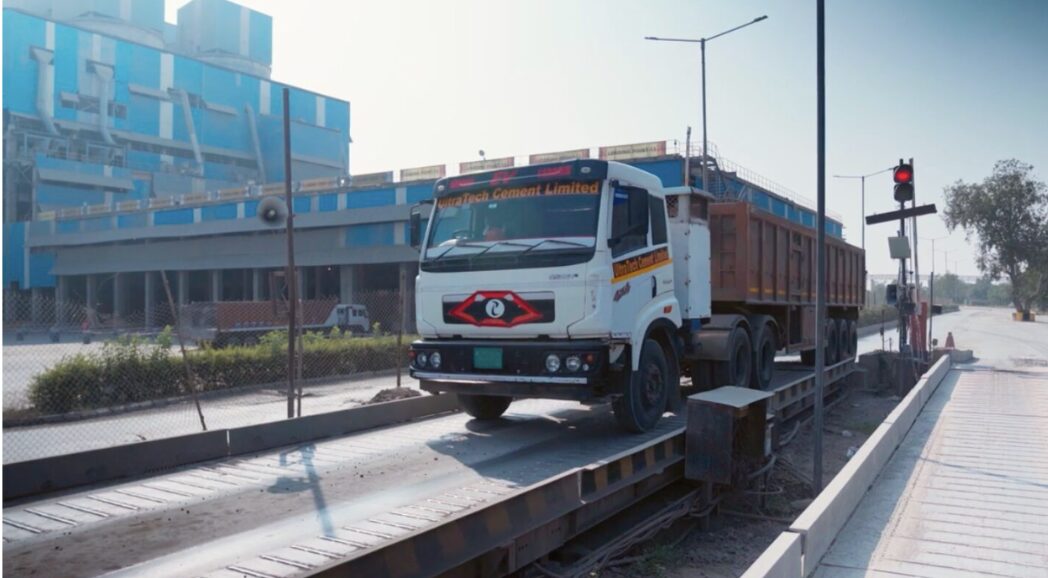
The Indian government has approved a nearly 1 billion (USD) scheme to deploy more than 200,000 e-trucks and buses in the Delhi and National Capital Region over the next two years. The scheme involves fleet modernization, financing incentives, tax concessions, OEM discounts, and digital delivery strategies. These landmark steps will improve the region’s air quality, as well as insulate India’s economy from rising diesel prices. According to a new CALSTART Drive to Zero analysis, India’s diesel prices have skyrocketed by nearly 70% over the past decade, while solar, battery, and energy storage costs have declined dramatically. As India’s freight sector consumes 55% of the nation’s diesel, cleaner commercial vehicles are increasingly becoming both an economic and environmental imperative.
📢 Media Statement: Keep Europe’s Climate and Industrial Roadmap Stable
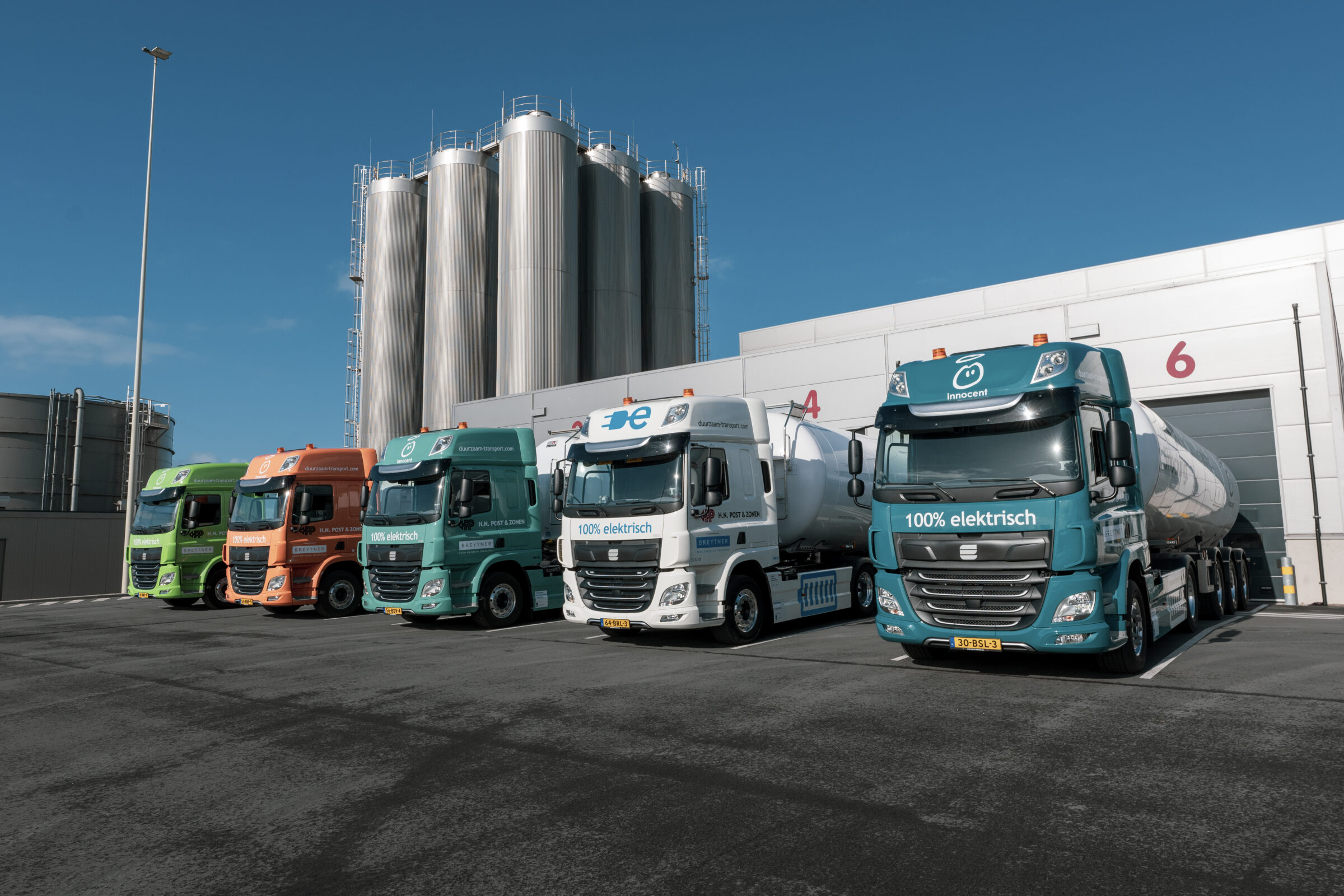
In a recent media statement, CALSTART and its Drive to Zero program called on European policymakers to keep the planned review of the current CO₂ standards for HDVs in 2027 to allow the market to further develop. The standards have only recently been subject to a targeted amendment for the 2025–2030 period, which significantly adjusted the compliance curve and lowered the projected share of new zero-emission truck sales in 2030. Estimates were revised down from 31% to projections between 16% and 23%.
At the same time, recent market developments demonstrate that rapid progress toward the revised 2030 target remains highly feasible. Daimler Truck increased its electric truck sales share from 2.9% of regulated groups in the 2024 reporting period to 7.5% after the 2025 target came into effect. In addition, electric truck sales shares in Global MOU signatory countries such as Norway (12%) and the Netherlands (13%) already show that accelerated market uptake is achievable.
Taken together, these developments indicate that the planned review in 2027 is still the correct timing and will allow policymakers to assess progress based on real market data.
📈 Report: U.S. ZET Deployment Grew Rapidly in 2025
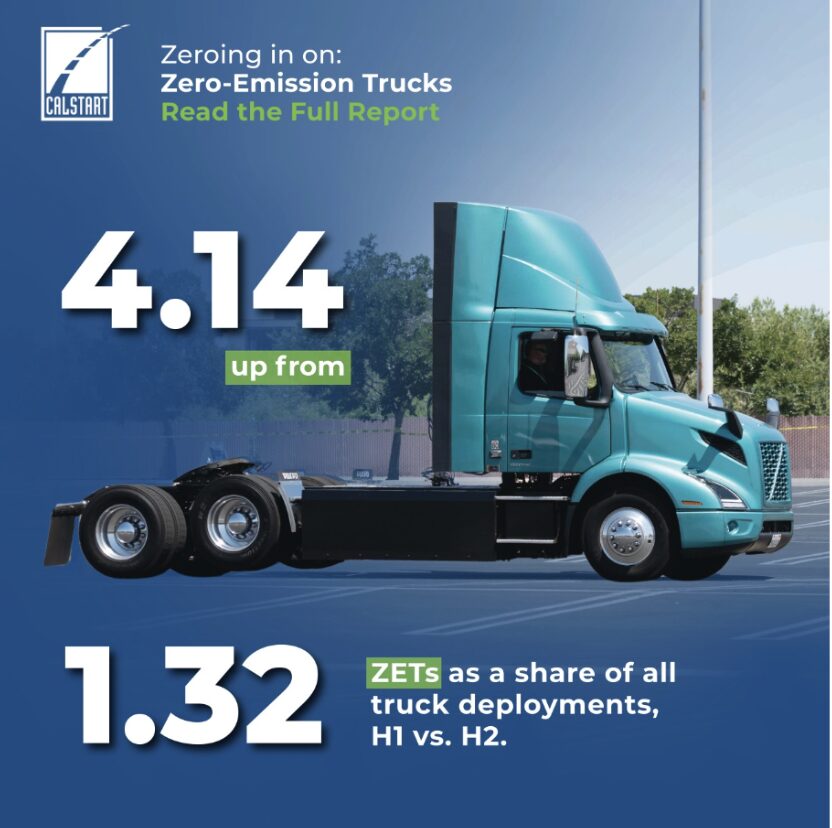
According to CALSTART’s new report, Zeroing in on Zero-Emission Trucks (ZIO ZET), ZET deployment grew rapidly in the U.S. in 2025. In the first half of the year, ZET deployment nearly doubled in pace. And in the second half, ZETs represented 4.14% of all new truck deployments — the strongest 6-month deployment share on record. Cumulative U.S. deployments reached 72,309 vehicles by December 2025, and H2 2025 deployments were 31% higher than the same period in 2024.
The report also goes beyond cumulative totals with a normalized state analysis that shows which markets are performing above the national average relative to their truck stock and fleet size. California, New York, and Pennsylvania lead the nation — a reflection of how supportive policy, infrastructure planning, and fleet education translate into measurable deployment progress.
🚛 Global MOU Community Spotlight: sennder as a green freight forwarder
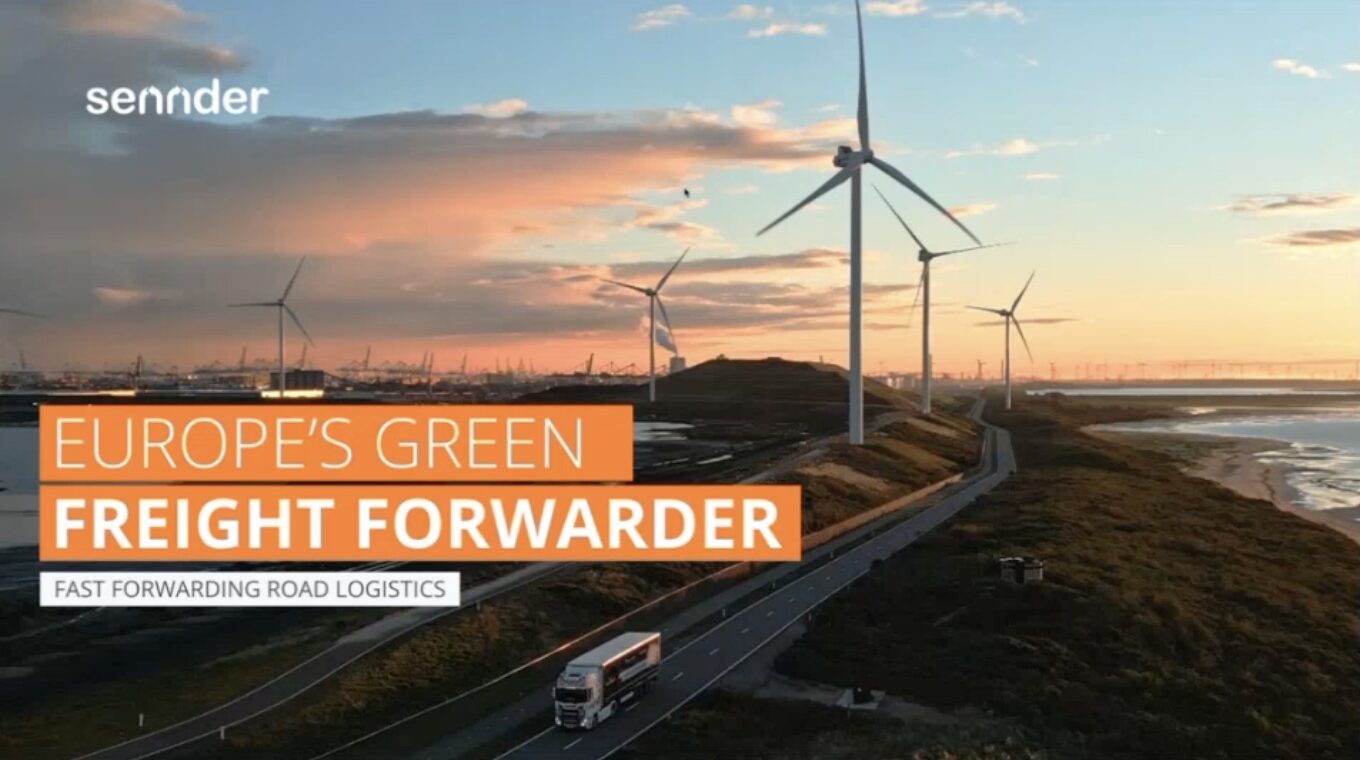
Global MOU endorser sennder—a green freight forwarder—is partnering with JUNA trucks to help shipping companies reduce their carbon emissions by offering a truck-as-a-service solution. Through its unique business model, sennder’s shipping company clients get access to JUNA’s trucks on an as-needed basis. sennder conducts ongoing analyses to ensure this approach is cheaper for their clients when compared to using a traditional diesel truck. To learn more about this innovative partnership, watch sennder’s presentation here
Upcoming Events
🗓️ New Date: BC2BC Launch Event
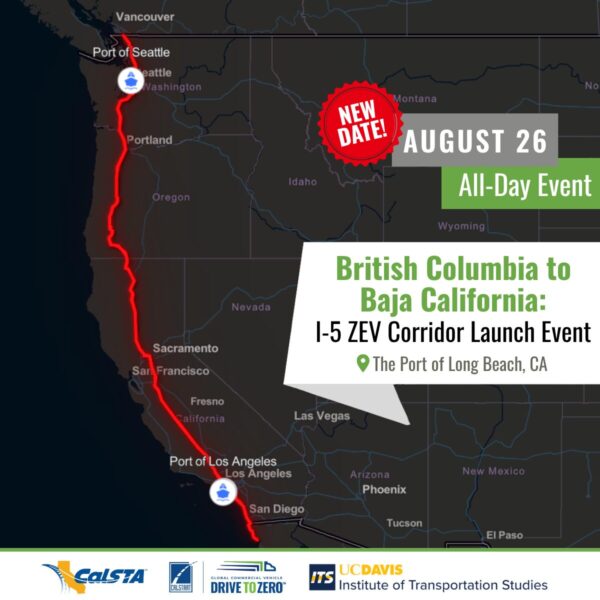
The British Columbia to Baja Corridor (BC2BC) launch event previously scheduled for June 24th at the Port of Long Beach has been rescheduled to August 26, 2026 and is now a full-day event.
The rescheduled and expanded launch event on August 26 at the Port of Long Beach will allow organizers to create a robust stand-alone experience with new activities including:
- High-level panel discussion
- An expanded zero-emission truck showcase
- Collaborative workshop covering planning, siting, scaling interoperable charging infrastructure along the West Coast
Register today for the expanded British Columbia to Baja Corridor launch event at the Port of Long Beach on August 26, 2026. If you are already registered for the event, there is no need to register again.
🌎 Register for the 2026 Global MOU Forum!

CALSTART/Drive to Zero and Colombia invite senior policymakers from our 43 Global MOU signatory countries, top subnational governments, as well as the nearly 300 industry innovators for the 2026 Global MOU Forum 8-10 September in Santiago, Chile.
The Forum will feature:
- A Zero-Emission Truck Showcase featuring intimate Q&A sessions with top OEMs
- Curated technical site visits including a tour of one of the world’s largest ZE-MHDV charging hubs outside of China, El Conquistador and El Bosque Charging Hub
- Strategic knowledge exchange including structured workshops & side meetings with government representatives
- Hands-on learning experiences like the “Drive to Zero: The Charging Challenge Board Game”
- Innovative sessions with Scania, NewVolt, Cenex UK, more!
Global MOU governments will leave the Forum with:
- Clear technical pathways and an opportunity for a next‑step roadmap to implement Global MOU-aligned policy
- Strategies to deploy zero-emission truck corridors leveraging lessons learned from the latest efforts across the world
- A stronger understanding of the opportunities for renewable-powered charging infrastructure to support ZET deployment in their geography
- Persuasive facts to strategically position freight electrification as an energy security and competitiveness strategy
- Pathways to strengthen local assembly and manufacturing through targeted policy, boosting job creation and economic growth potential
Featured Expert:
Meet Dr. Kimberly A. Moore (CCMP), the National Executive Director of the Clean Technology Training Trust.
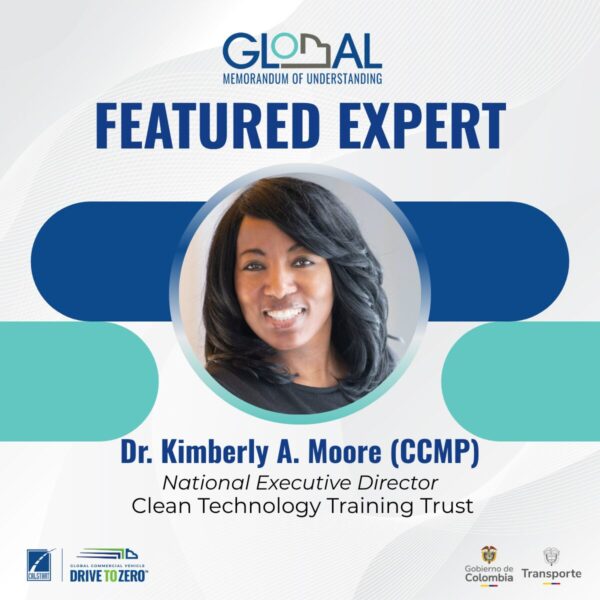
Dr. Moore is building tomorrow’s clean transportation and advanced manufacturing workforce. She will deliver a Global MOU Forum ZET Talk (our version of “TED Talks”) about one critical type of infrastructure for advancing zero-emission MHDVs that is sometimes forgotten—human infrastructure.
🤝 Follow us on LinkedIn!
Get up-to-the-minute updates on how Global MOU signatories and endorsers are driving toward our shared goal: 100% new zero-emission truck and bus sales by 2040. Follow us on LinkedIn today!

Top Headlines

Market
- Driving Better Transport: 78% of Drivers Prefer Electric Buses as Sector Backs Cleaner, Better-Connected Transport Future
- China maps out heavy‑truck electrification push with goal of 40% by 2030
- Initiative Green Brenner: E-Trucks as Relief
- Santiago, São Paulo and Bogotá make up nearly 70% of Latin America’s e-bus fleet, now approaching 10,000 vehicles
Fleet Deployments
- London reaches 3,000 zero-emission buses as one-third of TfL fleet becomes emission-free
- UltraTech deploys 45 electric trucks for clinker transport
- Scania in landmark deal to sell 105 battery-electric trucks to Wibax
- MZK Toruń expands its fleet with 40 electric Solaris buses
- Keolis secures two 100% electric bus contracts in Denmark
- Lidl to supply all Dutch stores with electric transport by 2027
- Mercedes-Benz Trucks expands its e-truck portfolio with new eActros Lowliner variant
- Wrightbus secure new order for 193 Electroliners
- Zum and SFUSD Announce Largest Electric School Bus Deployment in the Nation
Manufacturers and Models: Trucks and Buses
- Einride becomes publicly traded company
- DAF launches interactive route simulator for electric trucks
- Chinese OEM Sany expands its bridgehead in the European electric truck market
Manufacturers and Models: Port Equipment and Off-Road
Financial Incentives
- £1 billion to cut costs for businesses, drive growth and clean up UK roads
- Zenobē secures c.£980m financing to accelerate roll-out of electric buses across the UK and Ireland
Fuels and Infrastructure
- Milence opens first charging hub in Padborg, Denmark, strengthening Scandinavian–Mediterranean electric freight corridor
- Fully Charged: Gillmoss depot electrification works power Liverpool City Region’s green bus revolution
- Australia’s first pantograph-down EV bus charging depot launched at Brookvale powered by Kempower technology