

Drive to Zero: The Transition and the Human Infrastructure Behind It
Interview with Global Drive To Zero Senior Director Stephanie Kodish at Apprenticeships WORK!
Drive to Zero is working to accelerate the decarbonization of commercial vehicles through global partnerships, innovative tools, groundbreaking research, and education.
Although they are a relatively small portion of vehicles, diesel trucks and buses pack a big and devastating punch when it comes to pollution— including climate pollution.
We, and our partners in Colombia, are helping top global government officials and private sector innovators reach an ambitious goal of 100% new zero-emission medium- and heavy-duty vehicle sales by the year 2040 under the Global MOU.
Get exclusive program and industry updates from Drive to Zero, delivered to your inbox every month.
Interview with Global Drive To Zero Senior Director Stephanie Kodish at Apprenticeships WORK!
GlobalFleet interview with Catalyst Mobility’s Ricardo García Coyne
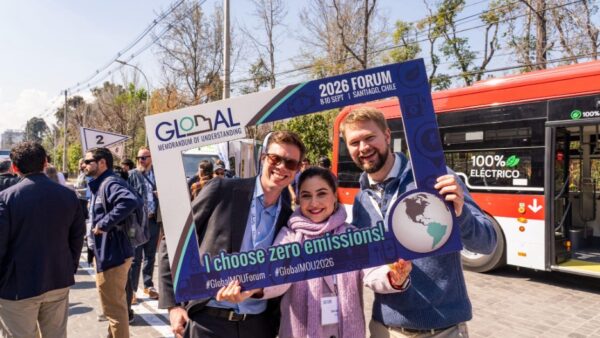
CALSTART’s Drive to Zero and Global Memorandum of Zero-Emission Medium-and-Heavy-Duty Vehicles (Global MOU) signatory countries and endorsers will soon gather for the Global MOU Forum 2026 in Santiago, Chile. Our goal: accelerate the next phase of the worldwide transition to affordable, accessible, and operationally superior zero-emission medium- and heavy-duty vehicles.
The Global Green Road Corridors (GGRC) initiative is transforming the future of freight and transport by decarbonizing the key corridors that move people and the world’s goods from ports to hubs to cities around the globe each day.
The transition to zero-emission commercial vehicles is not just possible—it's happening now. Countries, regions, cities, and fleets around the world are making the critical switch to zero-emission vehicles because of the economic, jobs, clean air, and climate benefits they deliver. Charging Up Change brings you the stories of people who are changing transportation for good.