
Governments and private sector leaders across Africa are doubling down on their commitments to accelerate the transition to zero-emission freight due to its economic, industrial competitiveness, and clean air benefits.
During a series of events at Africa E-Mobility Week, Catalyst Mobility™ worked alongside government representatives and private sector leaders to identify the policies and partnerships critical to advancing zero-emission freight across the continent. Their vision—which Catalyst Mobility’s Global Drive to Zero is helping to bring to life—includes building a dynamic network of electric freight corridors across East, Southern, and West Africa and developing e-mobility strategies to drive industrialization and strengthen local and regional supply chains.
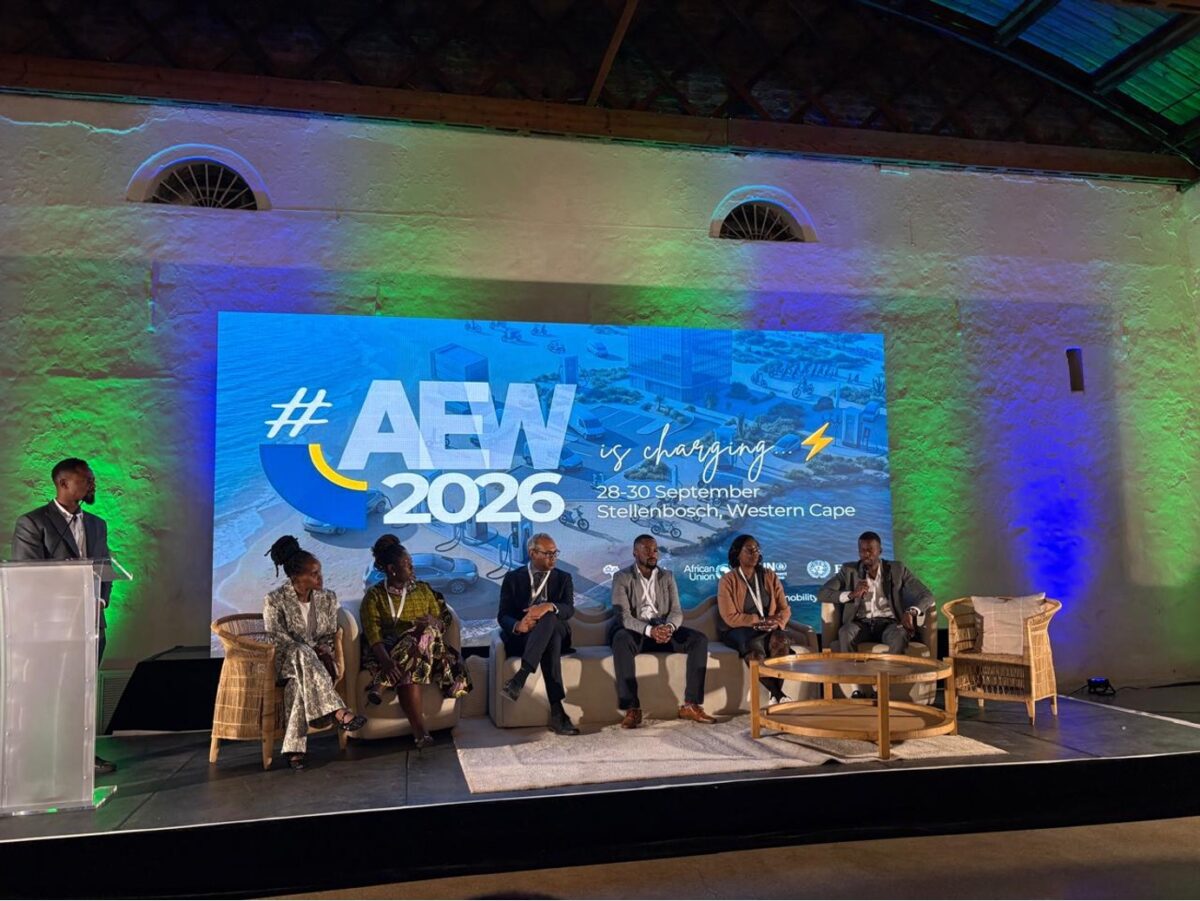
Photo: Moderator debrief at Africa E-Mobility week.
Throughout the week, ministers and stakeholders expressed strong support for supply-side regulations, including electric vehicle sales requirements. So far, Ethiopia has banned import of ICE vehicles, inclusive of MHDVs; Rwanda has banned registration of ICE 2-Wheelers in Kigali; and Seychelles is advancing in the development of the continent’s first ZEV sales requirement.
On the sidelines of Africa E-Mobility Week, the Coalition of EV Associations of Africa convened for its first in-person meeting. Representatives from 11 member countries—Ethiopia, Kenya, Ghana, Zimbabwe, Zambia, South Africa, Nigeria, Cameroon, Uganda, Tanzania, and Senegal—agreed on six key areas for joint action:
- Domesticating policy and regulatory frameworks
- Developing charging infrastructure for regional corridors
- Unlocking finance fairly
- Advancing supply-side regulations (SSRs)
- Building local and regional value chains
- Strengthening measurement, reporting, and accountability
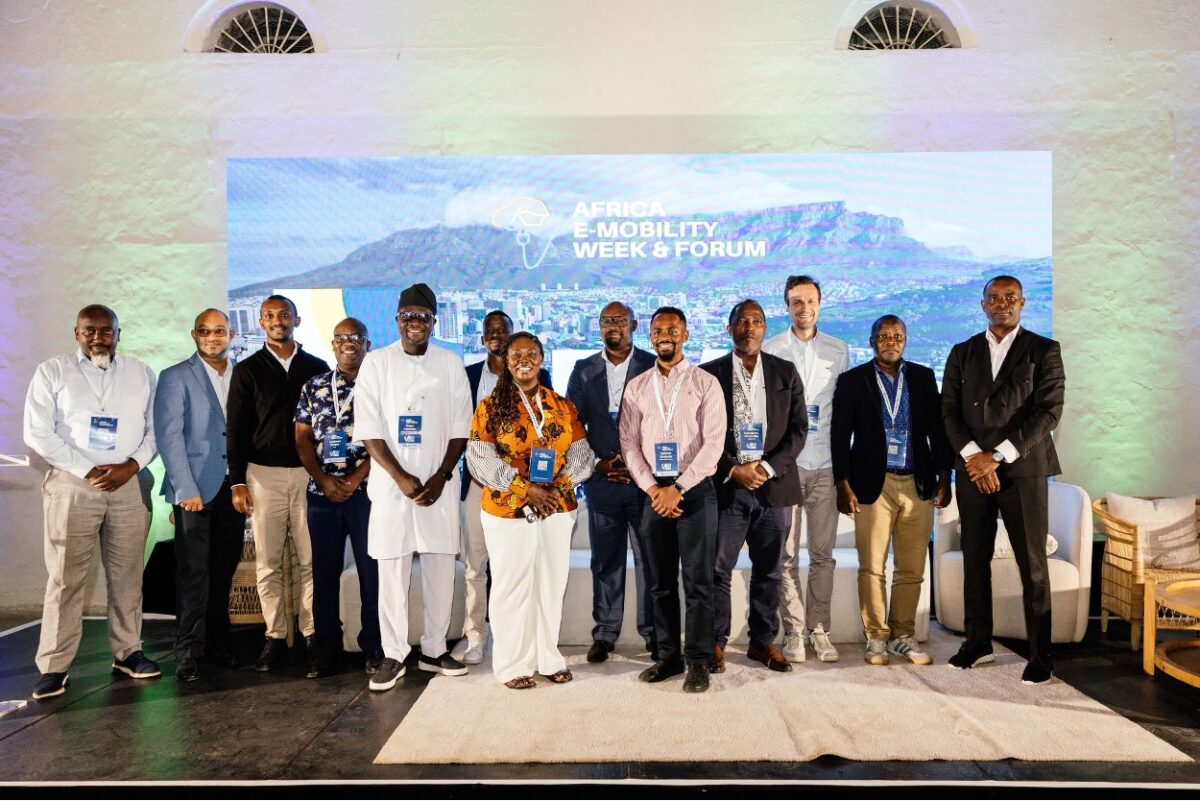
Photo: Representatives for the first in-person meeting of the African EV Association Coalition together with representatives from African Union and AFEMA.
This marks an unprecedented level of coordination among participating countries. By working together—rather than in isolation—they can create the market certainty needed to accelerate investment in zero-emission vehicles and develop the cross-border charging infrastructure essential to a connected, continent-wide freight network. We thank the Kuehne Climate Center, the African Climate Foundation, UNEP, GIZ Kenya, the African Union, and Africa E-Mobility Alliance for their partnership in organizing this impactful event.
As we look toward the Global MOU Forum in Ethiopia next year, we are excited to showcase African countries’ emerging leadership on ZE-MHDVs. By forging partnerships across borders, African countries are not only accelerating progress across the continent—they are laying the groundwork for a model of regional collaboration that could inspire and inform similar efforts around the world.
—Marumbo Sichinga, Africa Lead Consultant and Ricardo García Coyne, Deputy Director of Emerging Markets
Upcoming Events
🗓️ Catalyst Mobility’s Global Drive to Zero at COP31
 At COP31, Catalyst Mobility’s Global Drive to Zero will spotlight how zero-emission trucks and buses deliver economically, from an industrial competitiveness standpoint, and from a jobs, clean air, and climate standpoint—particularly in the midst of a global diesel crisis. Join us in support of the COP31 “35 by 35 pledge” as we “drive implementation through cooperation and collective action” via the Global MOU on Zero-Emission Medium- and Heavy-Duty Vehicles and the Global Green Road Corridors Initiative (GGRC).
Join us for:
📅 Tuesday, 10 November
15:15–16:15 | Convening a Network for Zero-Emission Freight: e-Dutra and the Global MOU
📍 Mutirão Room, Brazil Pavilion – Blue Zone
Host: Catalyst Mobility – Global Drive to Zero
Exploring Brazil’s e-Dutra corridor and how government-industry partnerships can accelerate implementation and investment.
18:30–20:00 | Scaling Global Road Freight Electrification
📍 Side Event Room 5 – HATTUŞA, UNFCCC Blue Zone
Co-organizers: Catalyst Mobility – Drive to Zero, International Council on Clean Transportation (ICCT), and Smart Freight Centre (SFC)
A high-level ministerial session and official side event bringing together ministers, industry leaders, and implementing agencies to showcase progress in scaling zero-emission freight. In spotlight will be Global Green Road Corridors, the Potsdam Principles, new partnerships, and new Global MOU signatories.
📅 Friday, 13 November
Time TBA | e-Dutra: From Ambition to Implementation of a Zero-Emission Transportation Corridor in Brazil
📍 International Transport Pavilion – Blue Zone
Host: Brazilian Business Council for Sustainable Development (CEBDS)
Showcasing progress and partnerships toward implementing Brazil’s e-Dutra corridor.
18:00–19:30 | Freight Mixer: Breaking Barriers Between the Zero-Emission Freight, Logistics and Energy Sectors
📍 Transport Pavilion – Blue Zone
Co-hosts: Catalyst Mobility – Global Drive to Zero, Kuehne Foundation, and Institute for Sustainable Development and International Relations (IDDRI)
An interactive networking session connecting the freight, logistics, energy, and policy communities to exchange experiences and explore opportunities for collaboration.
🇹🇷 Coming to COP31?
Drive to Zero is gearing up for the 2026 UN Climate Change Conference (COP31) on 9-20 November 9–20 in Antalya, Türkiye. Are you? Attendees are invited to join the Drive to Zero COP31 Whatsapp group to connect and coordinate.

Don’t have whatsapp? We still want to keep in touch at COP31.
Special Features
🌎 Welcome to Our New Global MOU Endorsers
 |
|
Join them — endorse the Global MOU today!
✨ Catalyst Mobility at NYC Climate Week
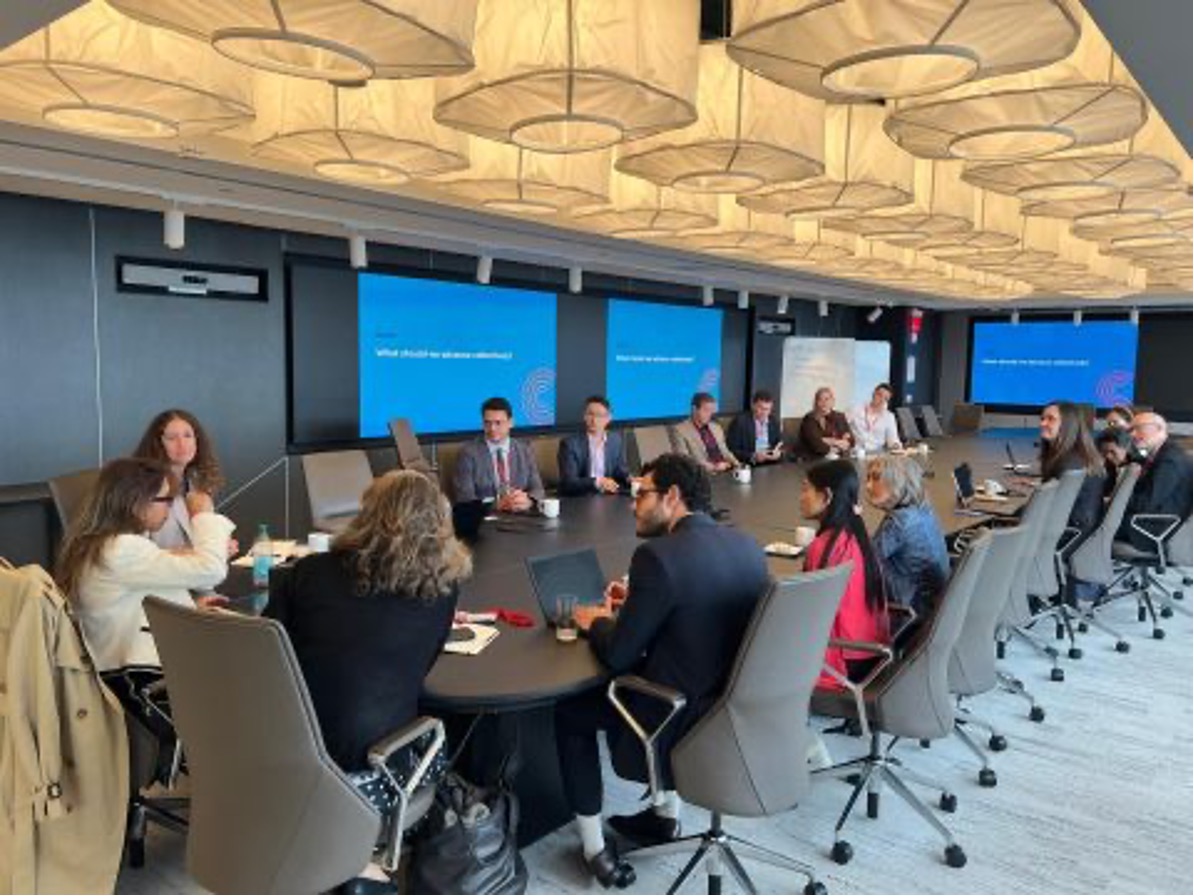
Photo: Global Green Road Corridors Roundtable at Accenture Manhattan West Office in New York City, co-hosted by Catalyst Mobility’s Global Drive to Zero, Traton Group, Climate Champions Team, and Climate Group.
Caption: Global MOU Forum participants visit El Conquistador Charging Hub in Santiago.
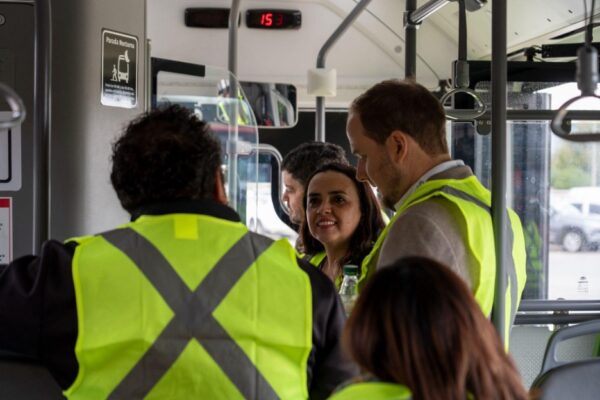
Caption: Global MOU Forum participants at El Conquistador Charging Hub in Santiago tour zero-emission buses.
Given the foundational importance of zero-emission truck infrastructure to a global clean transportation transformation, Catalyst Mobility’s Global Drive to Zero co-led a high-value implementation session centered on the GGRC Initiative at Climate Week NYC. The event focused on the transformational power of corridors and how early corridor experience can be turned into practical lessons for scaling deployment, with particular attention to grid constraints, truck economics, financing, and the policy frameworks needed to accelerate zero-emission freight. It brought together high-level and geographically diverse participants who signaled their enthusiasm for learning and showing “how things actually work,” while also recognizing the practical steps partners are taking to turn an “audacious vision” for global transport into reality.
GGRCs are accelerating zero-emission freight and helping countries deliver on their climate commitments, while also modernizing transportation systems, attracting economic investment, and creating the jobs of the future. The initiative serves as a platform for shared learning, replication, and collaboration for local, regional, and global transformation.
Thank you to TRATON GROUP, the Climate Champions Team, and Climate Group for co-organizing this impactful event.
🗺️ Ruta-E Moves Forward: Workshop #2 Brings the Ecosystem Together to Refine the Corridor’s Roadmap
In partnership with Colombia’s Ministry of Transport, Catalyst Mobility’s Global Drive to Zero recently held the second co-creation workshop of Ruta-E at LOGYCA’s offices in Bogotá. Ruta-E is Colombia’s first zero-emission freight corridor and it connects Bogotá and Cartagena. The effort is led by the Ministry of Transport and Catalyst Mobility’s Global Drive to Zero, with healthy support from the private sector.
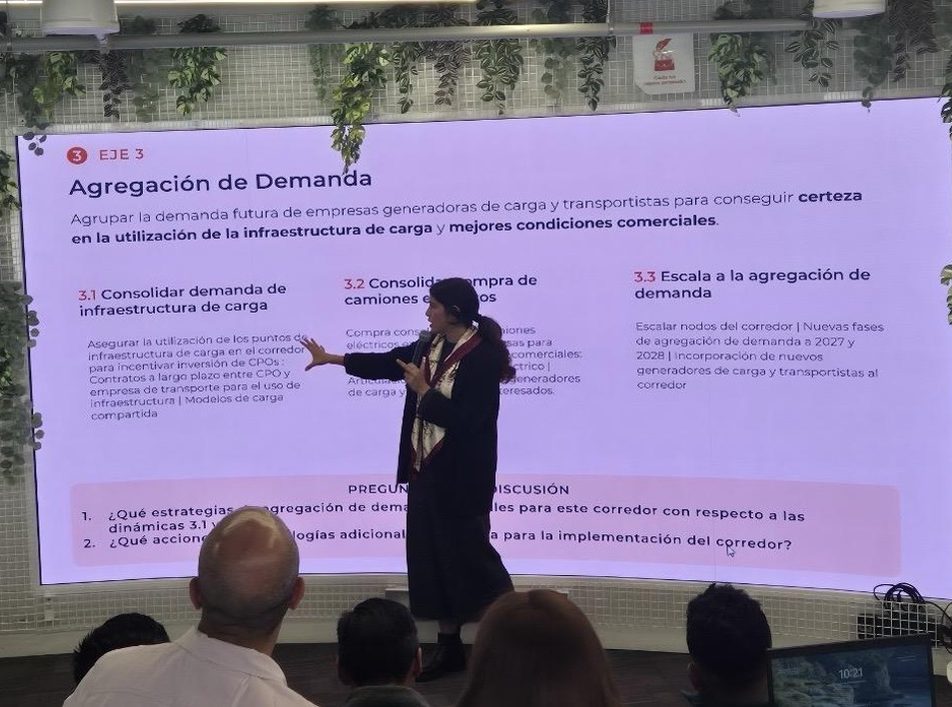
Photo: M. Paulina Martínez Méndez, Drive to Zero’s Colombia Lead for Electric Mobility & Clean Transportation presents at a co-creation workshop for Ruta-E, Colombia’s first zero-emission freight corridor.
Charge point operators, carriers, shippers, OEMs, financial institutions, and players from the road and energy sectors worked in five roundtables. They reviewed the three pillars of the project’s roadmap: access to knowledge and tools, early implementation, and demand aggregation.
LOGYCA also presented its first study on electrifiable routes in the corridor’s two initial nodes: “Node 1” in Cundinamarca and “Node 2” between Barranquilla and Cartagena. The study assessed whether these routes can run on the electric trucks currently available in Colombia. Its results show they are viable, which makes both nodes natural starting points for the corridor.
Voltrelli presented the charging infrastructure it is installing along the road concession Ruta Costera close to Barranquilla. The first of its four stations will be ready next month, where trucks will be able to start charging. It will serve as one of the project’s first pilots.
Key takeaways from the collaborative workshop included:
- Carriers see demand aggregation as viable
- Charge point operators are offering their infrastructure for pilots
- OEMs proposed truck trials to carriers and shippers
- Financial institutions are interested in sharing information on their credit lines and offering their services to the project
🌍 GGRCs in the Global Spotlight
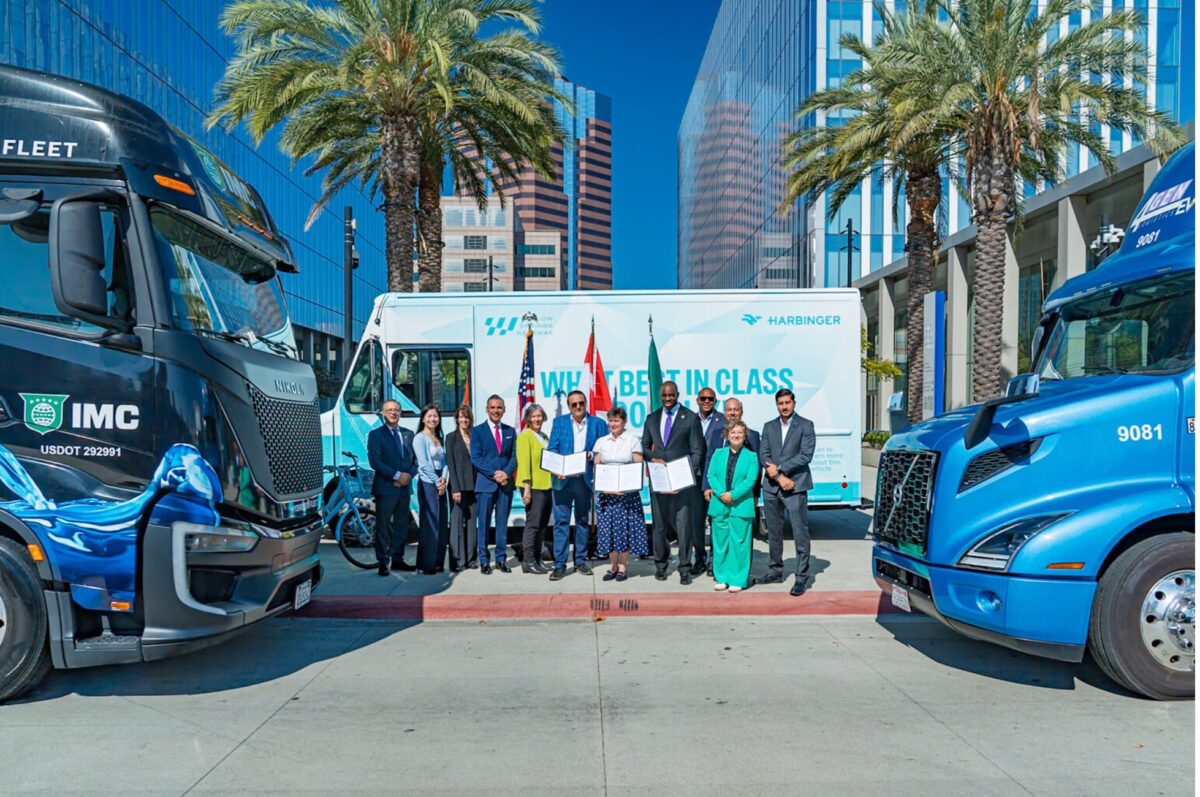
Photo: Launch of the British Columbia to Baja California (BC2BC) Corridor in Long Beach, California. Photo courtesy of Port of Long Beach.
As we count down to COP31 in Türkiye, Climate High-Level Champion Dan Ioschpe — Chairman of the Board of Directors of Iochpe-Maxion S.A.— has spotlighted the GGRC Initiative as one of the top Action Agenda solutions he finds particularly exciting.
In a new interview, he said:
“In land transport the progress is visible with the Global Green Road Corridor Initiative, which is one of the largest private-sector collaborations to decarbonize goods transport. There are two zero emissions corridors advancing this year: a 1,200 kilometer route linking Bogotá, Barranquilla and Cartagena and a truck corridor along Interstate 5 from British Columbia to Baja California – alongside progress on Brazil’s 800 kilometer e-Dutra zero emissions freight corridor.”
The GGRC initiative is led by Catalyst Mobility’s Global Drive to Zero in partnership with The International Council on Clean Transportation, Smart Freight Centre, WBCSD (World Business Council for Sustainable Development), C40 Cities, International Transport Forum (ITF), as well as governments and industry around the world. The GGRC initiative is decarbonizing the corridors medium- and heavy-duty vehicles use to move people and the world’s goods from ports to hubs to cities each day.
🚛 EU Businesses Want Strong CO₂ Standards for Trucks
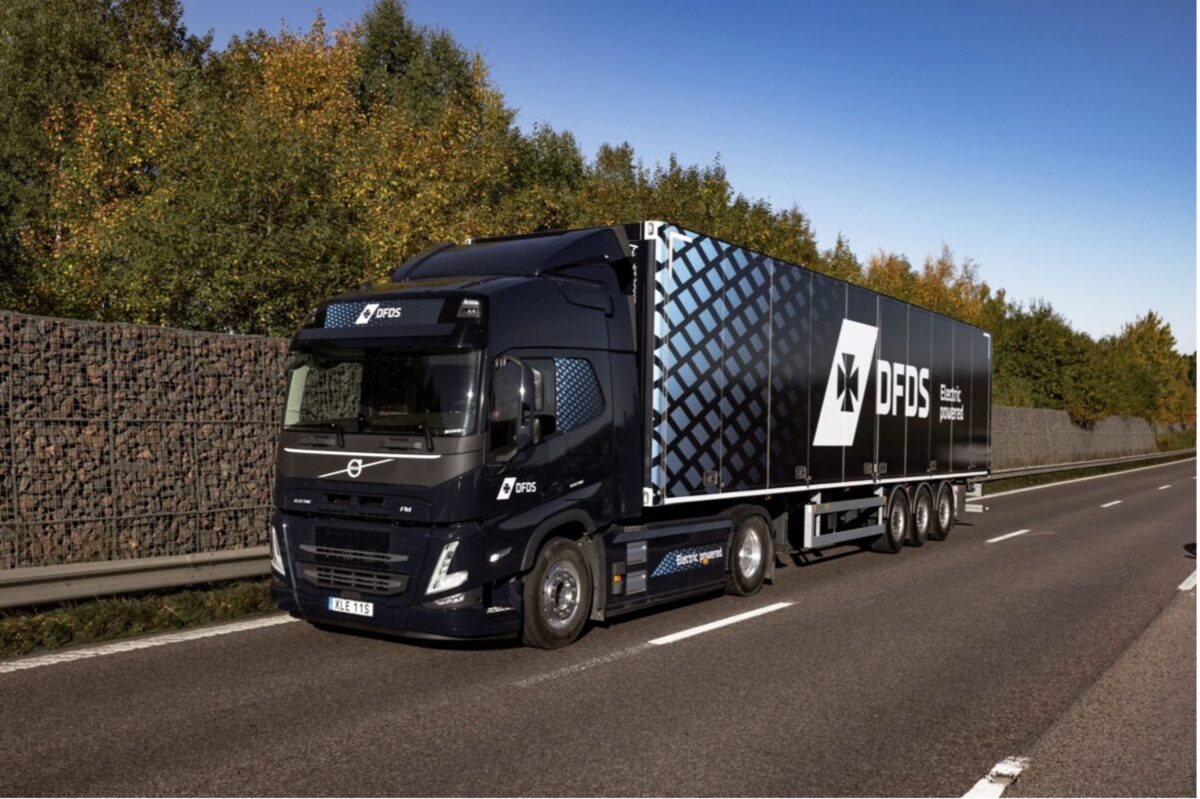
Major European businesses, including IKEA, EDF, Geopost, and DFDS recently urged the European Commission to maintain ambitious CO₂ standards for heavy-duty vehicles. In a letter to European Commission President Ursula von der Leyen, Executive Vice-Presidents Teresa Ribera and Stéphane Séjourné, as well as the Commissioners responsible for transport, climate, and energy businesses said they need “clear and stable policies to keep investing in electric trucks.”
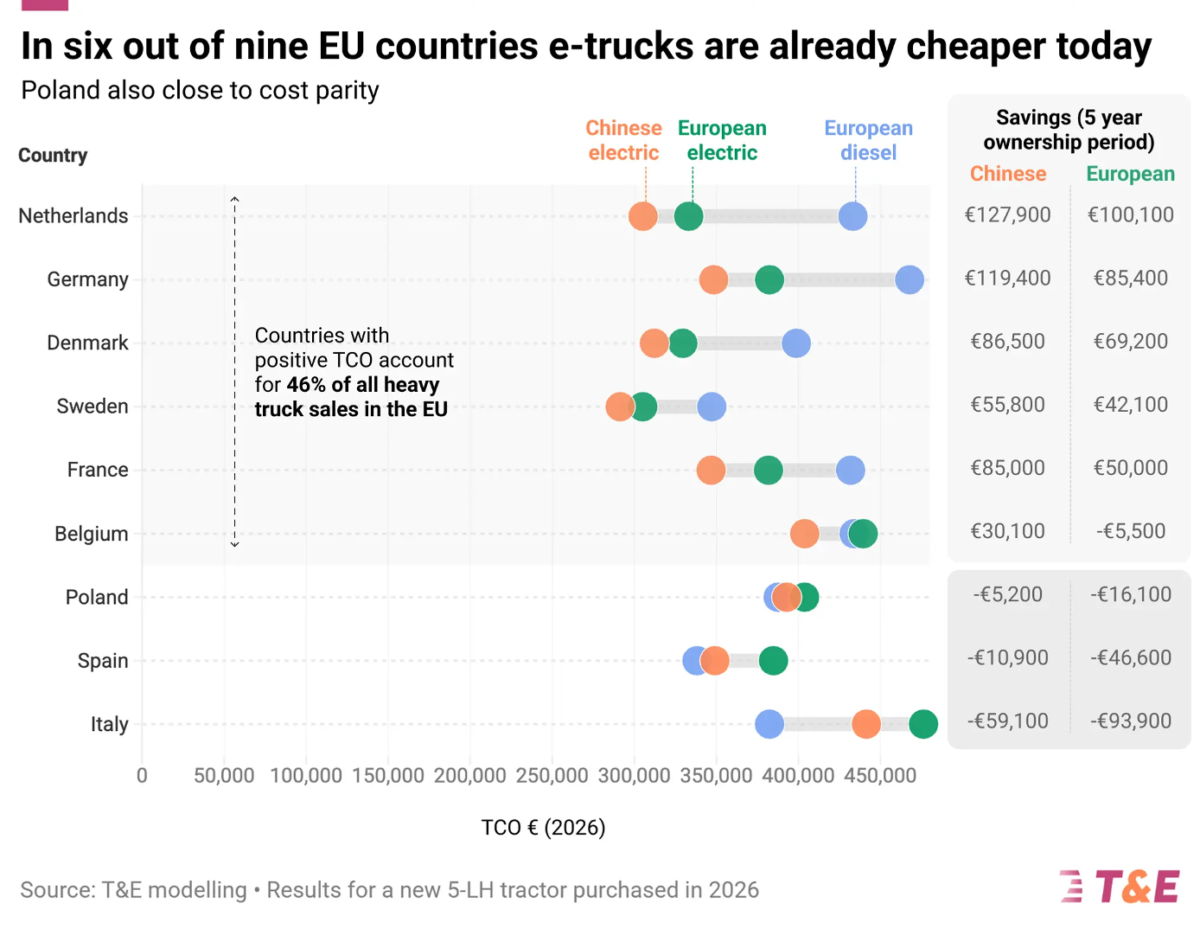
📊 New T&E Analysis: E-Trucks Better Bargain than Diesel in EU
A new total cost of ownership (TCO) analysis from T&E reveals that “in six out of nine major EU markets, electric trucks are already the best financial choice today” compared to diesel trucks. These six markets represent nearly half (46%) of all new heavy trucks sold in the EU.
Shippers see the biggest operating savings in the Netherlands, Germany, and Denmark, where savings can reach €100,000, €85,000 and €69,000 respectively over five years.
⚡️ Electric Truck Order Will Nearly Double the U.S. Electric Class 8 Fleet
Catalyst Mobility and Smart Freight Centre recently announced a coalition of the world’s largest cargo-owning shippers have enabled the largest electric truck order to date in the United States — 2,500 battery-electric Class 8 trucks — a single deal that nearly doubles the U.S. electric Class 8 fleet.
The order is organized through the Zero-Emission Truck Shipper-Carrier Alliance Leading Electrification (ZET SCALE), a program jointly operated by Catalyst Mobility and the Smart Freight Centre. By aggregating freight demand at a scale no single company could reach on its own, ZET SCALE is building a market for electric trucks that did not exist before.
Founding shippers in ZET SCALE include Microsoft and PepsiCo, among others, each supporting the initiative through different levels of engagement and demand signaling.
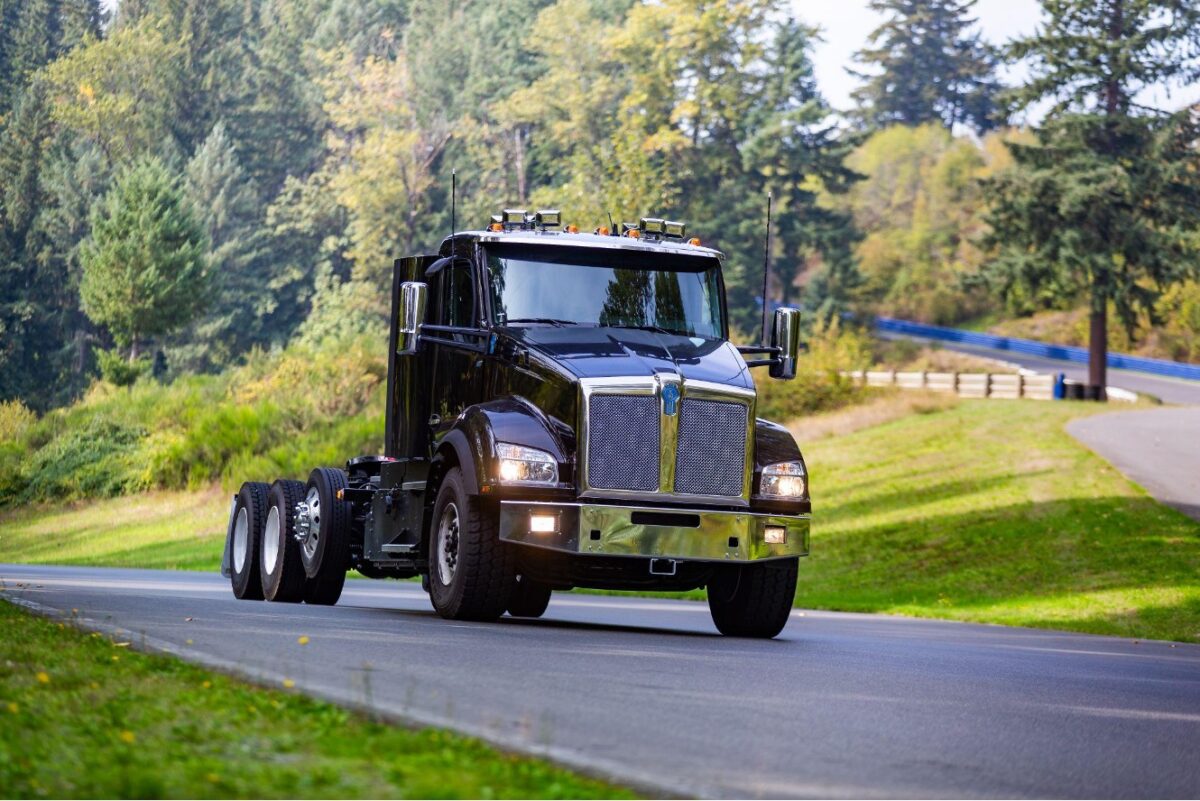
Photo: Kenworth electric truck at WAZIP Ride and Drive in South King County, Washington, United States of America. Photo credit: Aaron Rogosin
🎥 ZET Talk: Building the Zero-Emission Workforce
Dr. Kimberly A. Moore is the national executive director of the Clean Technology Training Trust, which supports the largest electrical workforce in the world. As the transportation sector electrifies, more electricians will be needed than ever before.
During her ZET Talk at the Global MOU Forum, Dr. Moore explained that every zero-emission target is also a workforce development target. When it comes to the global transition to zero-emission trucks and buses, it’s not just about building vehicles and infrastructure or mobilizing capital. It’s also about building a qualified workforce. She encouraged the Global MOU community to think beyond creating training programs to building talent systems—a steady pipeline of diverse workers who are prepared for the jobs of the future. “Build the vehicles. Build the infrastructure. But first we got to build the people,” she said.
Top Headlines

Reports
Fleet Deployments
- Rhenus takes delivery of 51 new eSprinters from Mercedes-Benz Vans
- Swiss Retailer OTTO’S Converts Entire Truck Fleet to Mercedes-Benz eActros 600
- Hanoi deploys 53 new VinFast electric buses on four routes, targeting full fleet conversion by 2030
- Bucharest secures €87 million for new battery-electric buses and trolleys
- GEODIS places an order for 110 new electric heavy-duty trucks
- IETT Istanbul: 50 electric buses from AKIA and 150 midi buses from KARSAN
- A “Harbinger” of the end of the Age of Pilots: FedEx orders 2,000 electric trucks
Manufacturers and Models: Trucks and Buses
- Vinfast introduces electric bus lineup in the U.S., doubling down on sustainable mobility growth
- Solaris makes U.S. debut with Urbino 40-foot electric bus platform designed for American market
Fuels and Infrastructure
- BFE increases funding for e-truck charging infrastructure
- Daimler Buses Drives Forward Expansion of Its Own Public Charging Infrastructure, with Hamburg Central Bus Station as the Next Location
- ABB E-Mobility Partners with ASKO to Support Electric Truck Charging Infrastructure